

Choosing the Best Wood Burning Stove
Wood stoves are an important investment in terms of time and money. You should also consider the winter weather in your area and follow local regulations on fire and wood usage.
A wood stove too small will make your body shiver. If it's too big, it can create an oven-like effect and generate more creosote. Check the installation guide of the model you're contemplating to determine the right size.
Size
Consider the size of your house and the area you intend to put the wood stove in. very small wood burning stove can be used to heat just one space, like the living room, bedroom or kitchen. If you want to heat a larger area or an entire home larger wood stoves would be better suited. They have a higher output of heat and can also be used as a supplementary source of heat when used with central heating systems.
If you are planning to make your wood-burning stove your primary source of heat, you should choose a model with more BTU output (British Thermal Unit). This will help ensure your home is adequately heated, without overusing other heating sources which will result in a lower energy bill.
You can determine the amount of power you need for your home using the guidelines provided by many manufacturers. You can also seek expert advice from a HETAS certified stove expert to assess your heating needs.
A quality wood burning stove should be able to produce at least 20 BTUs per square foot of the space you intend to heat. It is important to be aware that BTUs will vary depending on the climate, insulation, and the design of your cabin.
The kind of wood you choose to make use of will also have a significant impact on the performance of your stove. Woods that are moister and soft produce more smoke, whereas woods that are dry will burn more hot and faster.
After looking at the aesthetics of various wood stoves you can narrow your choices. Modern stoves feature clean lines that blend seamlessly with contemporary design while traditional stoves have a rustic charm. Log-store stoves, such as the Henley Elcombe and Morso 7443, are a great place to store log storage.
Aesthetics
Wood-burning stoves bring natural warmth and coziness to your home. They can also be an alternative option in the event of power interruptions occur. Selecting the right wood stove will ensure that your home stays warm and comfortable all year round while also looking great. There are a variety of styles and colors to pick from and so you'll be able to choose the best one for your home.
The shape of wood stoves don't just affect its appearance, but can also affect the size of your home and the functionality of your stove. There are two basic shapes: traditional (rectangular) or cylindrical. Traditional wood stoves like the Jotul 602 and Morso 1410 are reminiscent to old mail-order brides of the past with their rustic style, whereas cylindrical models like the Stuv 16 and MF Fire Nova are sleeker and modern in appearance.
There's a stove to suit every style and design. If you're looking to create a cozy cottage or an edgy Scandi styled space, there's the stove that will meet your needs. There are even stoves that have glass doors that allow you to view the flames and watch your logs crackle from various angles.
Wood stoves are often found with curved glass, such as the MF Fire Scan 87. This gives your room an elegant and sleek look. The rounded edges and easy air controls make this stove simple to use. It also works as a focal point.
Stoves with metallic finishes, such as copper and brushed silver can add a luxurious feel to your home. You can also select from a wide range of wood-effect designs for a more traditional appearance.
Consider the colour scheme in your room when you aren't sure which colour to pick. Darker colours, like black or dark grey, are able to blend into your existing color scheme. They may reveal dirt and soot more easily and require more maintenance.
If you're looking for something softer and more slender, a cream or pastel-coloured stove is a good choice. These shades can be used to complement or contrast the color scheme of your room and add a classic feel to your home. Lighter shades like pastel blues or greens are perfect for a shabby-chic or Scandi interior.
Energy Efficiency
Many people prefer wood stoves due to the fact that they are more environmentally friendly than other fossil fuel alternatives. They're also economical particularly if you have access to cheap or no-cost firewood. The best wood burning stoves offer a clean, efficient heat and provide back-up heating in case the power goes out. They are also easy to operate even for those with no prior experience.
To get the most energy efficient model, look for models that have an EPA-certified rating. These models meet strict emission standards that minimize harmful air pollutants and harmful pollutants. Consider a stove that has a catalytic convertor if you want to go the extra mile. These devices use a ceramic honeycomb to reignite the gas and particles that normally go up the chimney. This improves combustion and significantly reduces the amount of smoke produced.
When selecting a wood-burning stove, you should also consider the energy-efficiency features. Make sure it includes a primary and secondary air system. This system controls the speed at which the logs burn, and the flow of oxygen. It improves efficiency. Certain wood stoves come with another combustion chamber that utilizes heated secondary air to provide oxygen to volatile gases that escape from the flames. This makes the gas burn more completely and prevents them from escaping into your home, further improving efficiency.
A log with low moisture can be used to boost the efficiency of your wood-burning stove. A lower moisture content will create less ash and less smoke which will save you money on fuel and require fewer trips to the store for new logs. Proper insulation will also increase the efficiency of your stove, allowing it to heat your home for longer. A blower fan can help circulate hot air around your room and make it more comfortable.
Safety
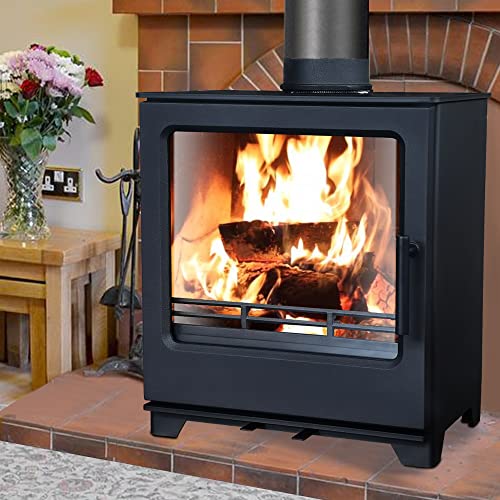
Wood stoves have become increasingly popular, as people prefer an older and traditional method of heating their homes. This type of stove is ideal to provide emergency heat in the event of power outages. There are many factors to consider when selecting the right log stove, whether you are looking to include a wood-burning appliance to your home, or simply to have some extra security in the event of an outage.
One of the most important factors is safety. It is important to make sure that your stove has been properly installed and that there is enough space between it and combustible surfaces such as floors or walls. Additionally, it's essential to only use dry and clean wood in your stove. Wet or unseasoned firewood can result in dangerously high temperatures and excess smoke, which can get into your living area.
The good news is that today's wood stoves are more secure than the stoves made of wood in the past. They comply with strict EPA standards and are designed to stop harmful indoor air pollutants from being vented into your home. Modern wood stoves are more efficient and require less wood compared to older models.
Another thing to think about is the amount of carbon emissions the wood stove generates. Wood stoves are low carbon renewable and natural energy sources. However when they are burned, they emit carbon dioxide. To minimize your carbon footprint, you may be interested in alternative energy-efficient options like pellet stoves.
As a general rule it is recommended to fill your stove at least half full of firewood to prevent it from overheating and causing smoke inhalation. It's also a good idea to keep some extra wood in storage at all times, so you can replenish your inventory in the event of a need. In addition, you should regularly check your stove and chimney connector to make sure they're functioning correctly. If very small wood burning stove see any indications of wear and tear, make sure to contact a professional for repairs. Also, do not attempt to operate a wood stove without the correct chimney system in place. This is a serious risk of fire and could result in a deadly chimney fire.