

Cast Iron Wood Burner
Wood stoves are an excellent source of energy that is renewable for your home. They are carbon neutral. Choose between cast or steel iron, and have your wood stove installed by an experienced professional.
A cast iron wood burner can withstand higher heat temperatures, but it is susceptible to cracking when exposed to sudden temperature fluctuations. It also emits heat into the room and can hold more heat than steel.
Durability
Cast iron is a strong material that will last for a long time. It is able to withstand high temperatures without cracking or becoming fragile. It is the ideal choice for wood stoves. It also retains warmth for a long time, so you can keep your home warm even after the fire has been put out.
Steel On the other hand is hotter and cools down faster. It is able to retain heat longer than cast-iron. This makes it a better choice for people who prefer the convenience of a quick source of warmth as well as a sleek appearance.
Both types of stoves require regular maintenance to run efficiently and look nice. Clearing out the ash once or twice a week, cleaning the firebox once a month and hiring a professional to clean the chimney every once or every two years, and scheduling annual inspections are all essential wood stove maintenance tasks that should be completed. These steps will ensure that you get the most value from your investment, and protect your family from harmful fumes.
In terms of durability, both steel and cast iron stoves can last for decades if they are maintained properly. Cast iron is generally more durable than steel stoves, but it's still a good idea invest in a quality model and maintain it regularly.
If you're in the market for a new wood stove, consider your options carefully before making a final decision. Cast iron stoves are more traditional and offer lasting warmth. However they require more maintenance. Both types of stoves will help you save money as well as reduce the carbon footprint of your home, but it is important to select the one that best meets your requirements and the layout of your home.
very small wood burner is a strong and reliable material, which is the reason Jotul has been producing stoves made of the material since 1853. However it is important to note that cast iron stoves that comply with the upcoming 2022 Ecodesign emissions standards are extremely rare. Salfire Peanut, a recently launched range of all-cast heavy-duty iron stoves, is an exception.
Energy efficiency
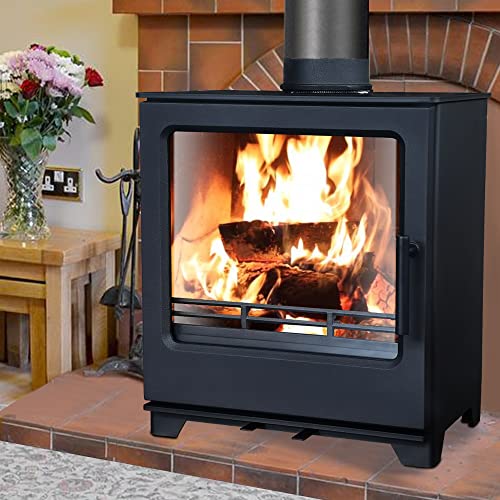
Wood stoves are traditionally among the least efficient methods to heat a home. They burn so many logs that you need to have a large supply of them to keep warm. They also release a great deal of smoke, which causes many more emissions and dry the air. But thanks to advances in cast iron stove technology modern wood burners have become quite efficient. Some models can be used as the primary source of heat. They are 77.5 percent efficient, which is three times more efficient than a traditional open fire.
Wood stoves made of steel and cast iron can be extremely efficient in terms of heat source however, cast iron is superior in retaining heat and radiating it. This is because it doesn't degrade as heat increases, and it has excellent thermal conductivity, which allows you to retain the warmth of the fire for a long time after the flames have gone out. Cast iron is also able to withstand higher temperatures than steel without becoming brittle, and it is able to withstand extreme temperature changes.
Stoves made of cast iron are also a bit heavier than their steel counterparts. Cast iron wood burners weigh more than their steel counterparts which can make a big difference in the installation process. It is recommended that you employ a professional to install your wood burning stove regardless of what type it is.
The type of lining used in your stove can also impact its performance when it comes to energy efficiency. Some cast iron stoves have a non-metallic or ceramic lining, whereas others have a firebrick. There are stoves that have catalytic converters which can reduce the amount of harmful gases released from burning wood.
The linings and other parts in cast iron stoves have to be polished to remove impurities as well as to increase their resistance to corrosion. The cast iron surface is polished using the machine for grinding surfaces which can remove as much as one sixteenth inch (1.6mm) of the surface. The stoves are then assembled then inspected, and packed with expanded polystyrene foam into cardboard boxes for shipping to consumers.
Convenience
Wood stoves are a great alternative to eco-friendly home designs. They can be used with solar panels and energy-efficient heating systems. However, they still require regular maintenance to ensure that to heat homes effectively and efficiently. Cleaning out ash once or twice each week, cleaning the firebox and chimney at least once a month and hiring professionals to clean flues at minimum once a year and scheduling annual inspections are important aspects of maintaining your stove in good working condition.
A brand new advancement in stove technology is the creation of pellet-burning wood stoves. These stoves utilize small, dried pellets which are made from sawdust, wood chips bark, wood scrap that is pulverized and compressed into a pellet form. These pellets burn more quickly and are more clean than regular wood. They are also simpler to handle, since you just need to load them into a pellet feed hopper and leave the remainder of the work to the stove.
Many manufacturers make cast iron wood stoves, in addition to pellet stoves. These stoves feature a hopper that lets you limit the amount of wood that is placed inside the stove. Some stoves come with an electric ignition built-in to let you light your fire at the touch of the button. This allows you to take in the ambience of a genuine wood-burning fire without the hassle of loading a heavy, smoky pile of logs in your traditional fireplace.
Cast iron wood stoves offer more flexibility than steel stoves, with models like the US1261E Cast Iron Log Wood Stove from the United States Stove Company providing powerful heating for up to 900 square feet of space in log cabins, large garages and workshops. This model features a spacious burn chamber that accommodates logs that are 19 inches or more, providing efficient and cost-effective heating for many years to come. It also has an integrated cooktop, as well as two side tables to provide additional convenience, helping you cook your meals on the stove while enjoying the traditional rustic style.
Style
Cast iron models are the ideal option for those looking for an wood-burning stove that will last for a long time. These long-lasting heaters are an excellent choice for any home. very small wood burner provide superior thermal retention and an elegant style that can enhance the look of your home. These stoves are built to last several decades when they are kept in good working order. Regular maintenance includes clearing out the ash and applying a coat of grease once a year to prevent rust. Wood stoves can last for a long time unlike HVAC units that need to be replaced every 15 or 25 years.
The US Stove Company produces a line rustic heavy-duty cast iron stoves that are designed to meet rugged demands of outdoor enthusiasts and those with an old-fashioned taste. Their most popular model, the US1269E, is a powerful wood stove that can provide 54,000 BTUs and is able to warm large garages and log cabins. The stove is EPA certified and provides energy efficient heating that is clean burning to cut down on carbon emissions from your home.
Apart from their durability, cast iron stoves can also be poured into unique shapes that will bring beauty to your hearth space. They can include arches on doors, designs that are carved into side panels, and many other decorative features. Cast iron also retains radiant heat for hours after the fire ceases. A stove made of steel, however, will lose its heat quickly to the walls.
small wood burning stove produces high-performance cast iron stoves which are well-known for their high-quality in Norway where temperatures can get extremely cold. The company has been producing these fireplaces since 1853, and offers a variety of sizes that can be used in homes of all sizes. Many models feature intricate artwork made of cast iron that is difficult to replicate by machine.
The Jotul company is committed to reducing its environmental footprint while maintaining the legendary quality of its products. The company recycles scrap metal from local scrap dealers. The scrap iron is melted at the Krakeroy facility, and then mixed with carbon and alloying elements. This mixture is poured into molds made of sand to cool before becoming the castings for Jotul's cast iron wood stoves.